The paid-media busywork I handed to an agent
Ten paid-media checks built as agents: wasted spend, PMax decoding, creative fatigue, audience overlap, budget shifts, competitor ads, and weekly reporting.
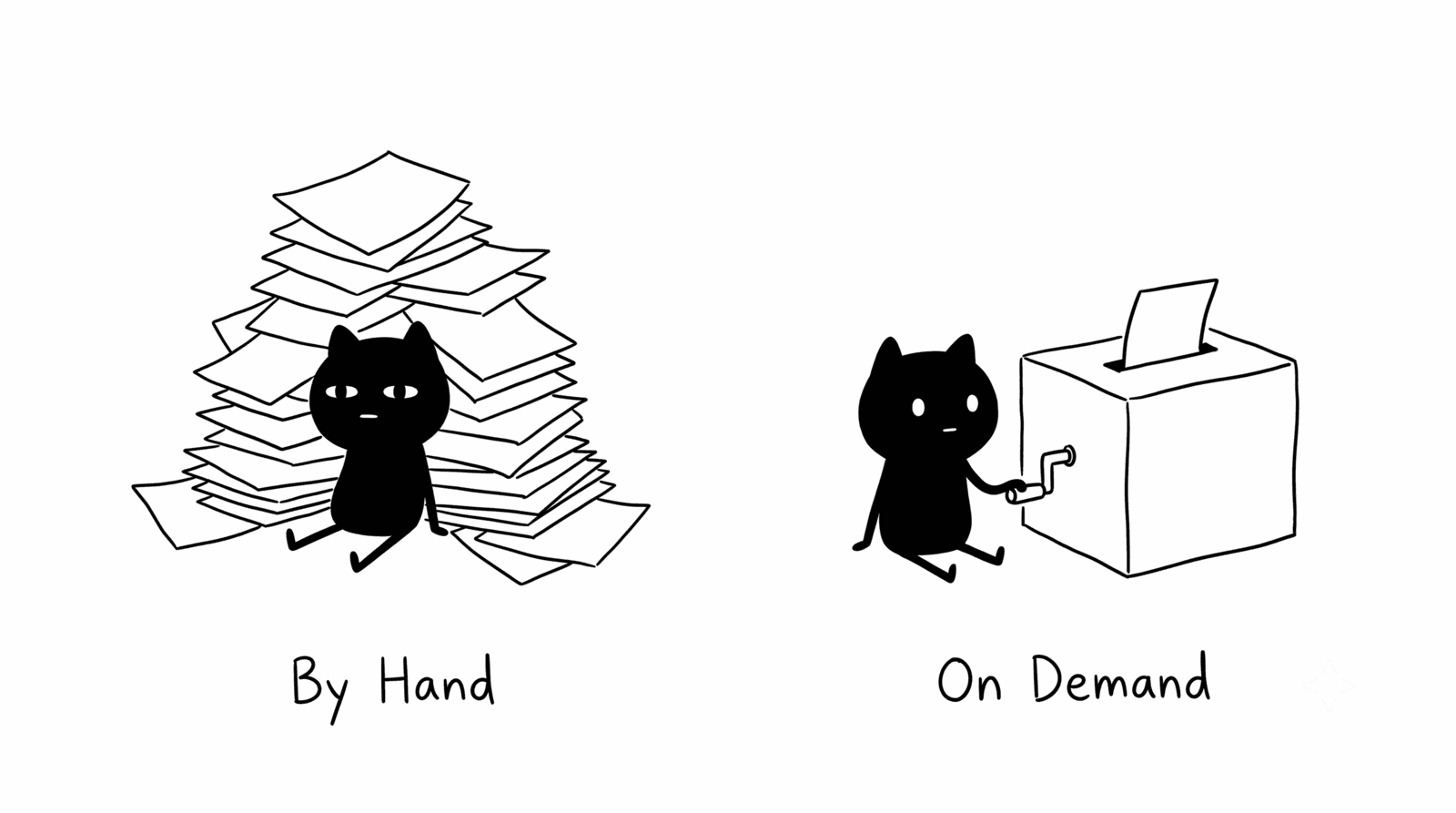
Paid media runs on repetitive analysis. Pulling the spend report, hunting the ad sets quietly burning budget, checking which creative has gone stale, working out what Performance Max is actually doing. Most of it is pattern-matching against account data, and most of it gets done late or not at all, because someone has to sit down and do it by hand.
So I stopped doing it by hand. I built a set of agents that run these checks on demand, against live account data, and return the decision rather than another chart to read.
What each agent does
Wasted-Spend Finder. Flags every ad set with $20+ in spend and zero conversions, grouped and ready to cut.
PMax Decoder. Surfaces the asset-group ROAS and search categories Google hides inside Performance Max.
Creative Fatigue Scanner. Catches ads with CTR down 20% or more from their peak, before they drag your ROAS down with them.
Audience Overlap Auditor. Finds the ad sets bidding against each other, and the CPM premium that overlap is costing you.
Budget Reallocator. Answers “shift 20% from A to B?” with your real numbers, not a forecast.
Ad Library Spy. Pulls any competitor’s active ads, grouped by hook and format, in one prompt.
Weekly Report Writer. Spend, ROAS, top movers, and three priorities. Client-ready before Monday.
Plus three more: a Negative-Keyword Builder, a Quality Score Doctor, and Anomaly Alerts that flag a spend or conversion spike the moment it happens.
Why agents instead of another dashboard?
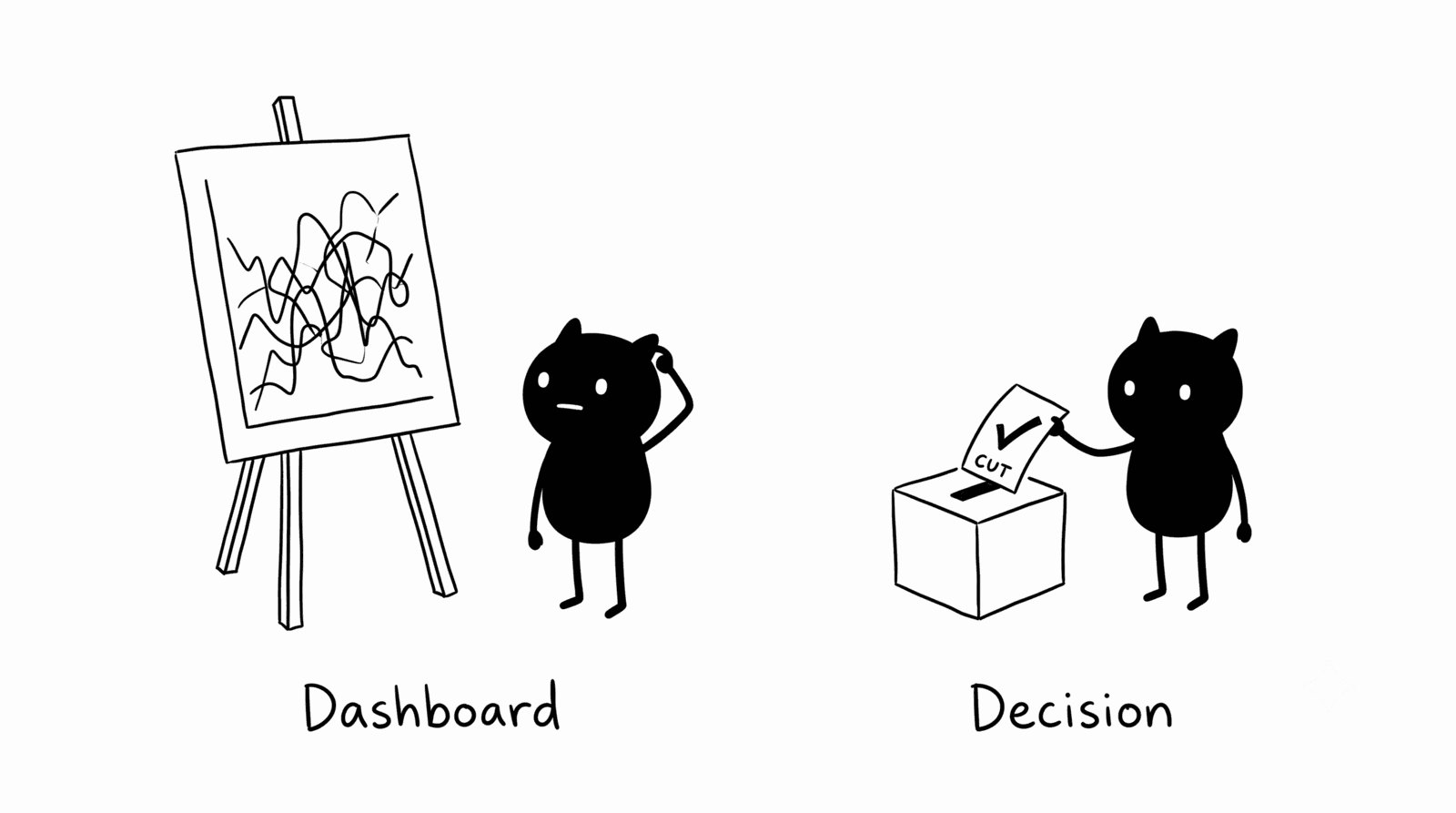
A dashboard shows you the data and leaves the judgment to you. These return the judgment. The Wasted-Spend Finder doesn’t show you a spend table, it hands you the list of ad sets to cut. The Budget Reallocator doesn’t plot a trend, it answers the question you were going to ask anyway.
That is the difference between reporting and infrastructure. The analysis a media buyer runs by hand every week becomes a system that runs in a prompt, on demand, the same way every time. The buyer spends their hours on the decisions, not on assembling the data to make them.
This is marketing engineering applied to paid media: the manual, repeatable parts of the job become tooling, and the spend works harder without the team working longer.