Google Demand Gen reaches accounts. It cannot reach your decision-makers.
Google is folding Display into Demand Gen by 2027. For B2C advertisers that is a consolidation story. For B2B ABM practitioners it is a control problem.
Google is folding the Display Network into Demand Gen by 2027. For B2C performance marketers that is a consolidation win. For B2B ABM, it is a control problem: Demand Gen optimizes toward audience signals, so it reaches the account but cannot guarantee the named decision-maker. Use Influ2 for person-level reach.
I run paid ABM across Google and person-based platforms. Below is what changes, where Demand Gen fits, where it does not, and what to do before the 2027 deadline.
What is changing with Google Display and Demand Gen?
Google confirmed on 26 May 2026 that advertisers manage Display Network placements through Demand Gen, retiring standalone Display campaigns. A migration tool rolls out from June 2026, with full transition through 2027. One Demand Gen campaign now spans YouTube, Discover, Gmail, Maps, and the open-web Display Network.
Google reports an average 9.5% ROI increase for advertisers adding GDN to Demand Gen, and food-delivery platform GoFood recorded a 24% CPA decrease with 19% higher conversion volume. Those are B2C-shaped results. Treat them as context, not as outcomes you will reproduce in a B2B account.
Why is the Demand Gen migration a problem for B2B ABM?
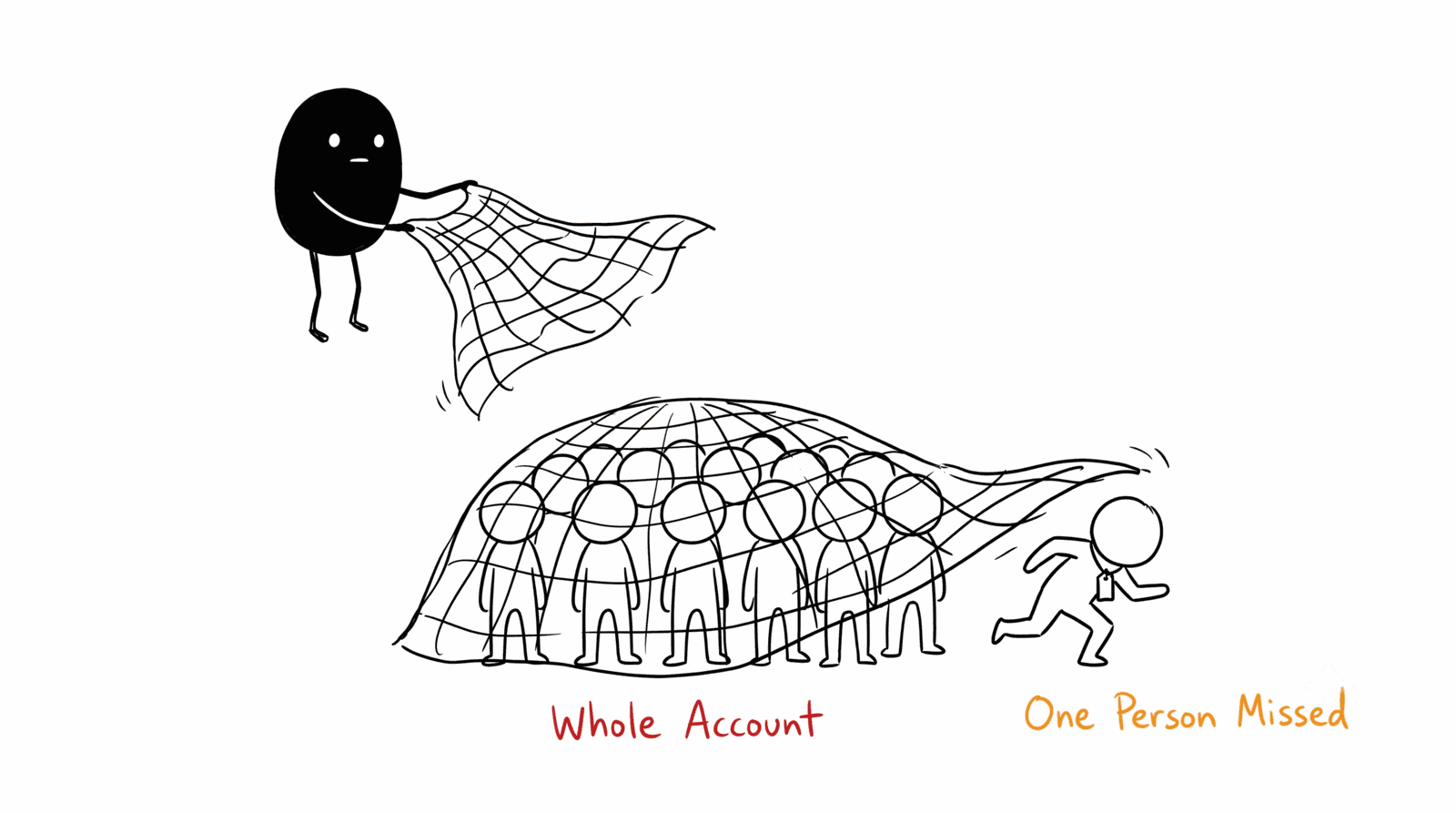
Demand Gen optimizes toward audience signals. It finds people who resemble your converters, engage with your creative, and fall into Google’s intent categories. The algorithm picks who sees the ad. ABM inverts that constraint: you want the specific six people at Barclays evaluating your platform now, the CFO, CTO, and procurement lead, not lookalikes.
Scale optimization and precision pull against each other. Google built Demand Gen for conversion volume across broad surfaces. ABM is a precision motion aimed at named individuals at named accounts. Demand Gen reaches the account. It does not guarantee the decision-maker, and for an in-market deal that gap is the whole game.
Can Google Demand Gen reach named decision-makers?
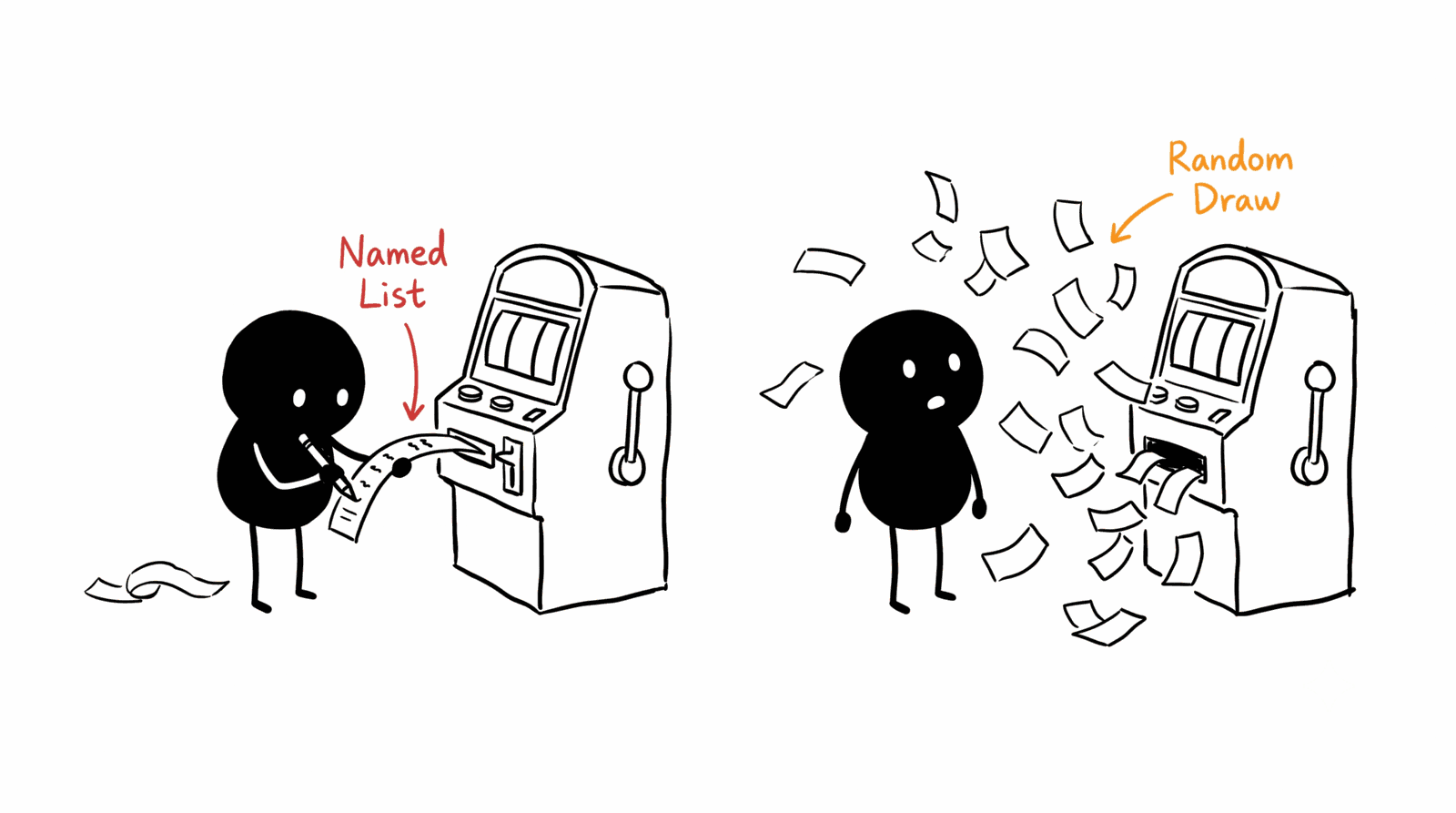
No, not reliably. Google Customer Match lets you upload contact emails and target those users, but B2B match rates run low, work Gmail addresses rarely map to LinkedIn personas, and the system still optimizes delivery across the matched list toward Google’s conversion signals rather than toward every name you supplied.
The result: you upload 200 named contacts and Google decides which subset to serve based on click probability, not deal priority. For top-of-funnel presence that tradeoff is fine. For an active opportunity where you need the economic buyer to see a specific message, it leaves the most important person to chance.
How does the migration break B2B attribution?
B2B attribution lives in HubSpot or Salesforce, attached to deal records and contact timelines, not in Google Ads. When Demand Gen serves across YouTube, Discover, Gmail, and GDN at once, the question stops being “what was the CPA” and becomes “did anyone at a target account engage, and did the deal move.” Google cannot answer the second question.
Google’s conversion model tracks clicks and view-through conversions inside the ad platform. It does not know whether a YouTube viewer is a named contact on an open opportunity, or whether a Gmail open at a target account lines up with a deal moving from Discovery to Proposal. To connect Demand Gen to pipeline you need three pieces of plumbing:
- Customer Match audiences built from CRM contact lists, not interest segments.
- UTM parameters flowing into HubSpot or Salesforce against contact and deal records.
- A join between Google engagement data and account records, so impressions map to opportunities.
Without that plumbing, the migration hands you a cleaner campaign interface and noisier attribution.
Demand Gen vs Influ2: which do you use for ABM?
Use Demand Gen for account-level brand presence and Influ2 for person-level activation. Influ2 serves ads to named individuals from a contact list you supply, so you know the CFO at Barclays saw the ad and can trace that impression to the opportunity in your CRM. Demand Gen cannot deliver that person-level certainty.
| Dimension | Google Demand Gen | Influ2 |
|---|---|---|
| Targeting unit | Audience segments and lookalikes | Named individuals you supply |
| Delivery certainty | Algorithm chooses who sees the ad | Impressions served to specific people |
| Best funnel stage | Top of funnel, pre-conversation | Active pipeline, named stakeholders |
| Attribution | Clicks and view-through in-platform | Person-level engagement back to the CRM opportunity |
| ABM role | Account-level awareness | Person-level activation inside deals |
Run them in parallel: Demand Gen builds presence across accounts you want to enter, Influ2 activates the buying committee once those accounts reach pipeline.
Where does Demand Gen belong in a B2B stack?
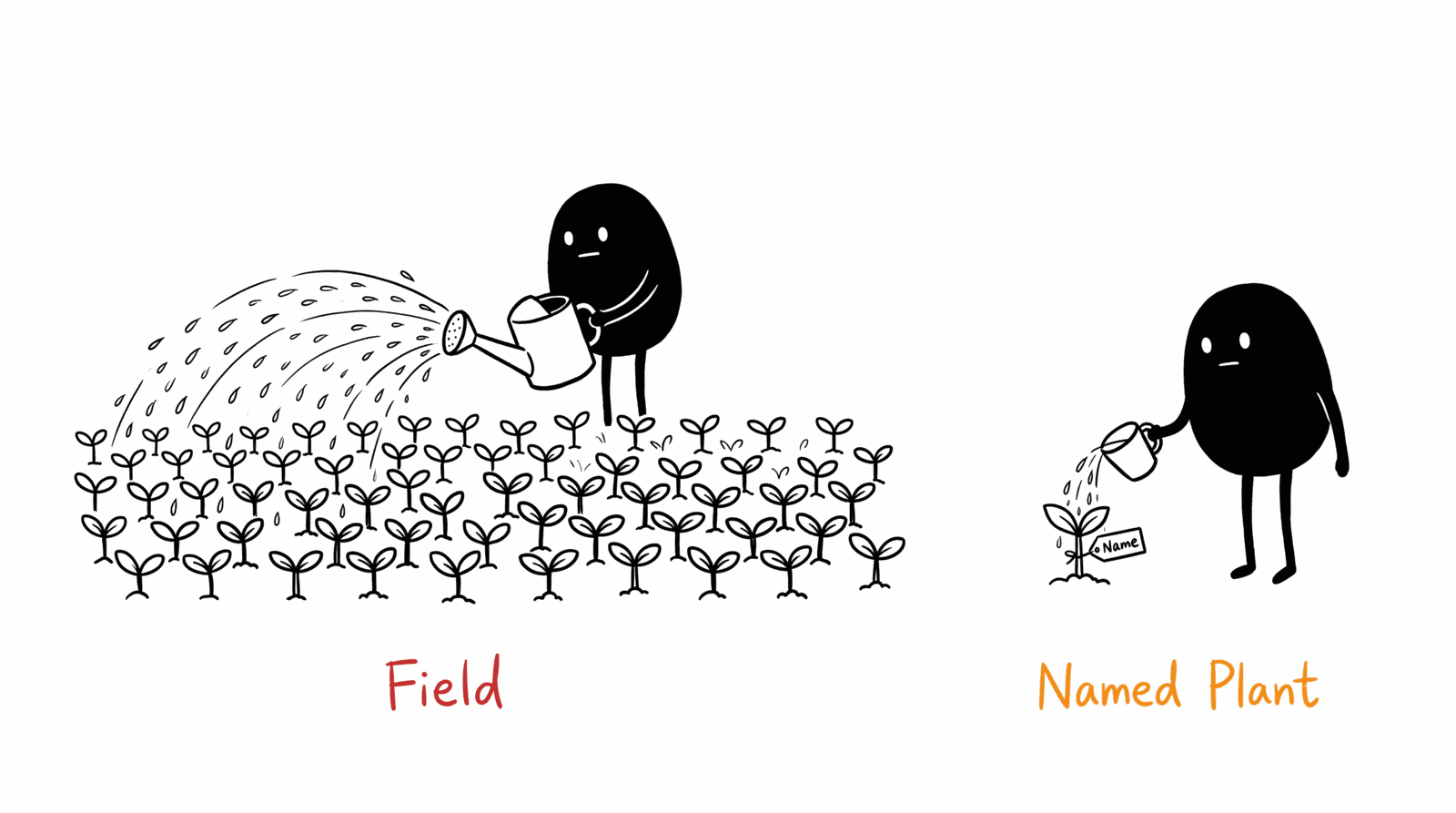
Demand Gen belongs at the top of the funnel, building brand presence across ICP accounts before they enter a buying process. An account you want to win in twelve months should know your name before your SDR calls. Run it with a tightly defined Customer Match list and GDN restricted to brand-safe placements, and it does that job well.
The targeting discipline is the catch. Left loose, Demand Gen’s AI chases the audiences that drive clicks, and B2B clicks on Display and Discover rarely come from budget holders. A 24% CPA drop means nothing if the conversions are junior researchers downloading whitepapers. Separate campaigns by function rather than letting one campaign and one algorithm decide:
| Motion | Tool and controls |
|---|---|
| Cold ICP accounts, building presence | Demand Gen with strict Customer Match and brand-safe GDN |
| Active pipeline, named stakeholders | Influ2 person-based advertising |
| Retargeting engaged contacts | HubSpot sequences with Influ2 reinforcement |
How does this connect to GEO?
Discover is one surface where Google’s AI Overviews and generative search are expanding, so the line between paid Demand Gen placements and organic AI-cited content is thinning. A brand that appears in Demand Gen on Discover and also surfaces in AI-generated summaries for relevant queries holds a stronger position than one present in only a single channel.
This is not an argument to run Demand Gen. It frames Demand Gen and Generative Engine Optimization as parts of one presence question: where does your brand show up when a decision-maker at a target account researches the category? Paid placement on Discover answers part of it. Accurate citation in AI summaries answers another. One does not replace the other.
What should B2B teams do before 2027?
Test the new structure now and measure against CRM-connected pipeline, not platform CPA. The teams that handle the migration well will decide what role Demand Gen plays in their B2B motion before Google forces the answer. Work through three cases based on what you run today.
- Display remarketing against CRM audiences. Migrate those audiences to Demand Gen with GDN-only channel controls. Keep the same list. Compare CPA and post-click quality, not clicks alone.
- Display cold prospecting against firmographic segments. Audit what those campaigns produce. Display prospecting in B2B rarely yields pipeline-qualified conversions, so retire the campaigns rather than migrate them if the data supports it.
- Influ2 for named-account advertising. The migration changes nothing here. Demand Gen and Influ2 solve different problems, so keep them separate.
FAQ
Is Google retiring standalone Display campaigns?
Yes. Google confirmed on 26 May 2026 that Display Network placements move into Demand Gen, ending standalone Display as a campaign type. A migration tool rolls out from June 2026, with the full transition completing through 2027. You keep a GDN-only option through channel controls inside Demand Gen.
Can Demand Gen target specific people for ABM?
Not reliably. Google Customer Match accepts a contact list, but B2B match rates run low, work emails rarely map to the right persona, and Google still optimizes delivery toward conversion signals rather than every named contact. For person-level certainty in active deals, Influ2 serves ads to the specific individuals you supply.
What is the difference between Demand Gen and Influ2?
Demand Gen targets audience segments and lookalikes, and its algorithm chooses who sees the ad, which suits top-of-funnel awareness. Influ2 serves ads to named individuals you supply and traces engagement back to the CRM opportunity, which suits active pipeline. They solve different problems and work best running in parallel.
How do you measure Demand Gen for B2B pipeline?
Connect it to your CRM rather than reading platform CPA. Build Customer Match audiences from CRM contact lists, flow UTM parameters into HubSpot or Salesforce against deal records, and join Google engagement data to account records. Then judge campaigns on whether target accounts engaged and deals moved, not on clicks.
Should B2B advertisers migrate Display campaigns to Demand Gen now?
Migrate remarketing campaigns built on CRM audiences now, with GDN-only controls, and compare post-click quality against the old setup. Audit cold prospecting campaigns before migrating, since B2B Display prospecting rarely produces qualified pipeline. Test before the 2027 deadline so you decide Demand Gen’s role before Google forces it.