The Integration Tax
MarTech grew because marketers couldn't build. That logic is breaking. What GTM in GMT showed about the category collapse already underway.
I spent a day at GTM in GMT, Clay’s first European summit. A category structure was breaking down in front of me.
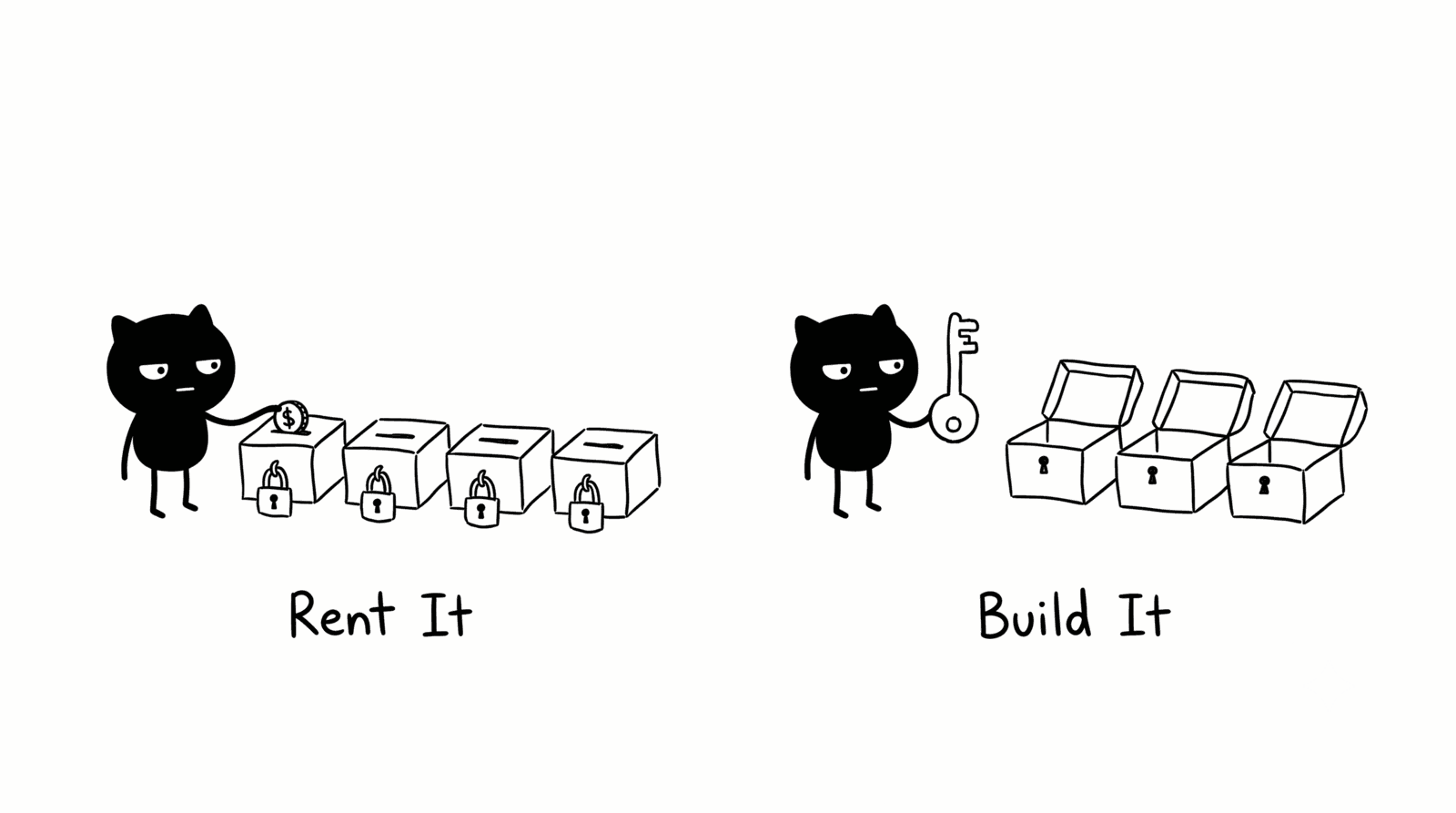
MarTech grew the way it did because marketers couldn’t build. Every logo in a typical stack marks that gap. You bought an intent platform because engineering your own signals wasn’t on the table. You signed an ABM contract because joining CRM data to ad audiences required a developer you didn’t have. You hired ops people to ferry CSVs between tools that were never designed to talk to each other. Each purchase rented an engineering capability you didn’t own.
That logic held for years. Now it’s breaking.
What Did the Stage at GTM in GMT Actually Show?
- ElevenLabs on automating the growth engine end to end
- Clay’s own growth team running 3x enterprise ARR, with half of pipeline from marketing
- Verkada engineering a moat from their own buyer signals
- Adyen putting RevOps numbers directly in front of executives
- Thoughtworks naming the shift from static campaign management to GTM engineering
- HubSpot’s SVP of Agentic GTM building what he called a self-learning GTM Brain
- Clay’s co-founder showing one orchestration layer replacing six contract negotiations
Beyond the stage: OpenAI doubled enrichment coverage. Anthropic’s GTM team consolidated to three tools: CRM, Clay, and email.
What Is the Integration Tax?
The integration tax is the operational overhead created by moving data between tools that can’t natively communicate. It shows up as time, headcount, and latency not strategy.
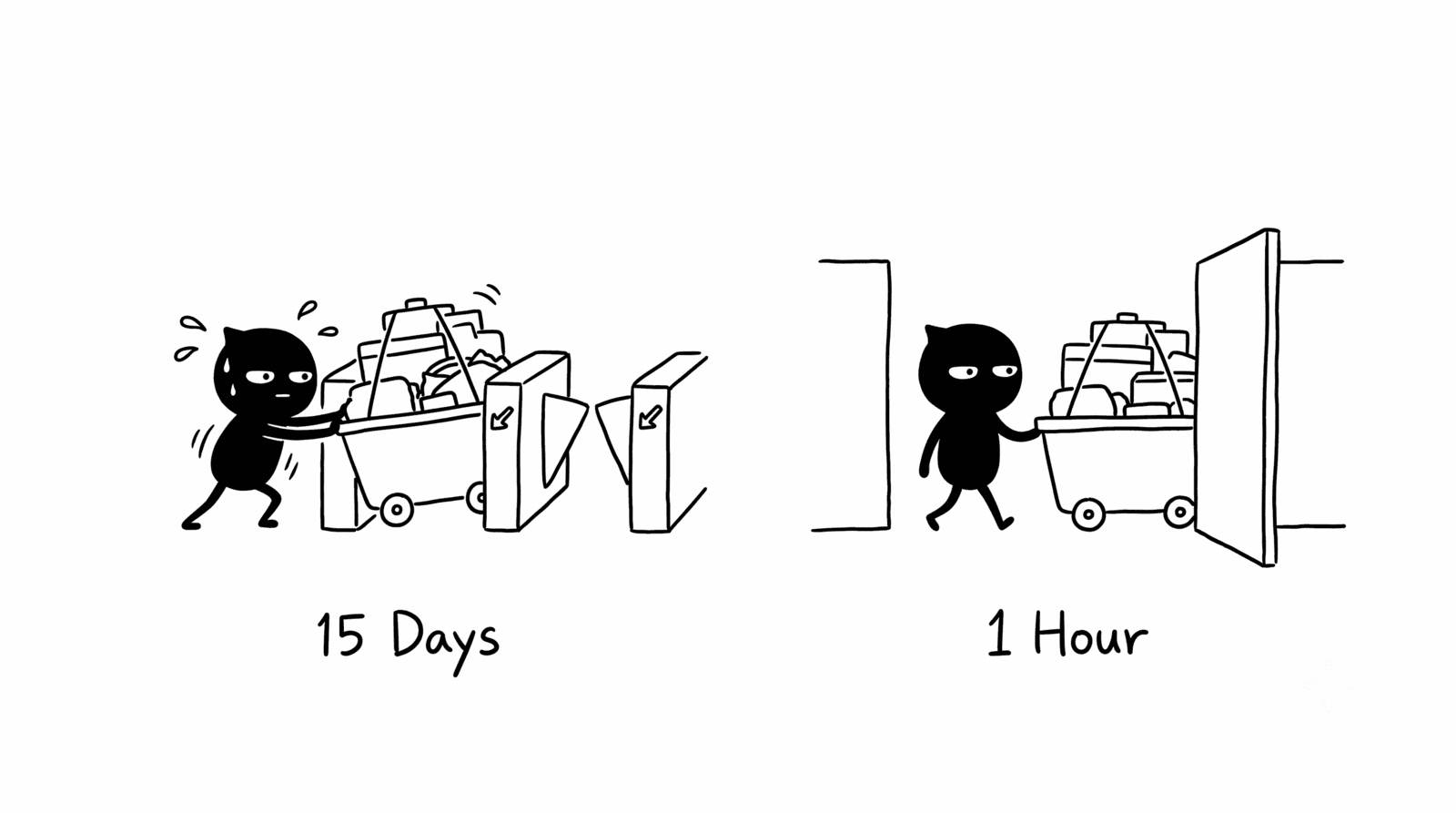
Teams using this generation of tooling are already proving the difference. A Tier 1 ABM campaign that took 15 days across a traditional stack runs as a single workflow in about an hour.
Those 15 days weren’t strategic work. They were overhead: moving data between tools that couldn’t natively communicate, coordinating handoffs between people whose roles existed to manage that friction, waiting on processes that were slow because the architecture was slow. Fix the architecture and the overhead disappears.
Which Job Roles Disappear When GTM Tool Categories Collapse?
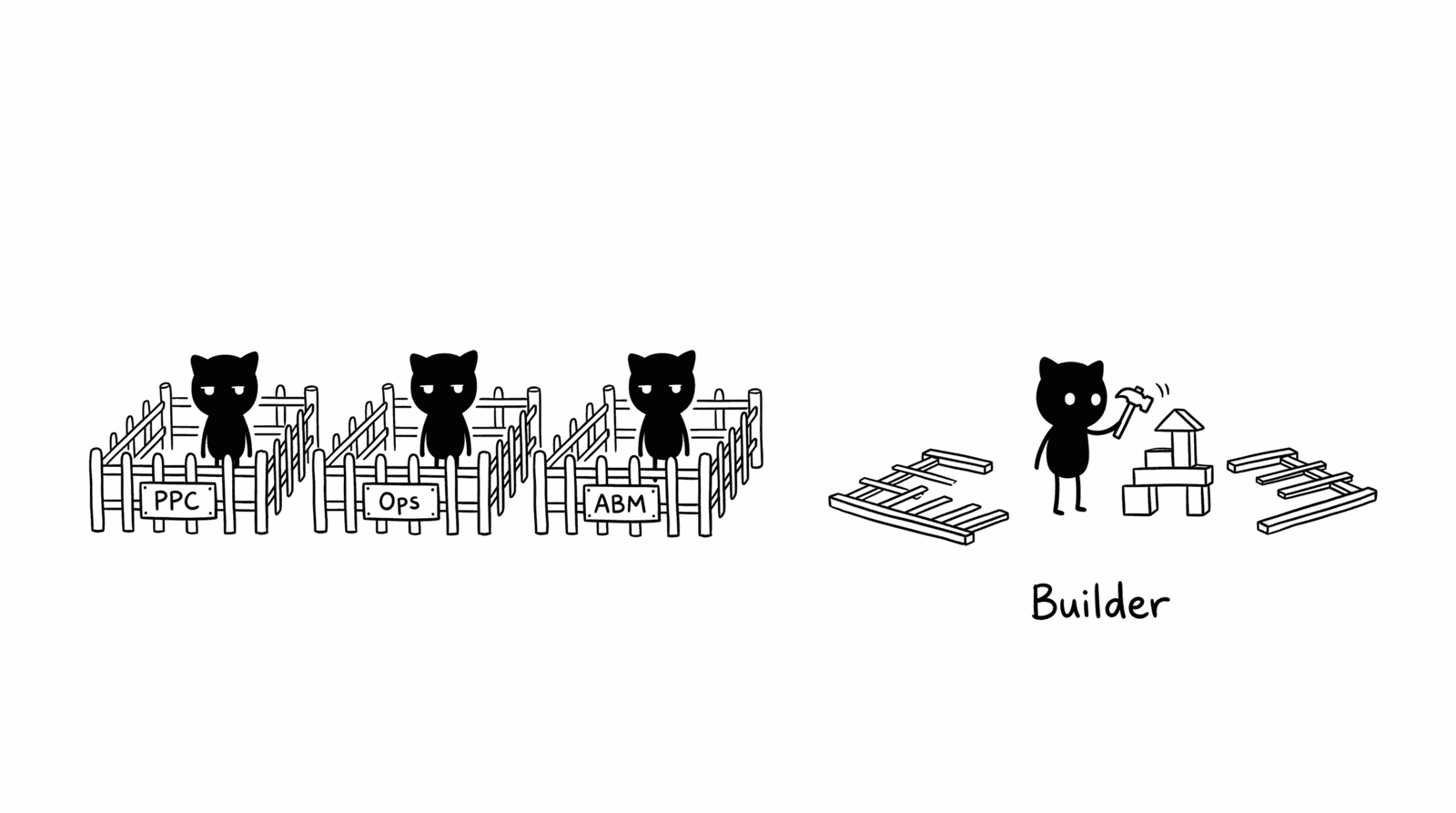
PPC managers, marketing ops, and ABM managers weren’t defined by strategy. They were defined by tool boundaries.
Someone had to own the intent platform. Someone had to manage the enrichment workflow. Someone had to know which CSV went where. As those boundaries dissolve, those roles get rewritten.
A modern GTM team looks more like a product team: design systems, ship workflows, read results, iterate. The people doing well in this transition already treat their stack as an engineering problem.
What Questions Should You Ask in FY27 Renewal Conversations?
FY27 planning is underway at most companies. Renewal conversations are coming for tools whose entire reason to exist was that your team couldn’t build what they do.
The question worth asking in each of those conversations: does this tool give you a capability you couldn’t build, or does it exist because you couldn’t build it when you signed?