Your content isn't losing to better content. It's losing to better infrastructure.
Backlinks told Google you were popular. AI engines cite you for something different. Here's the three-stage system for building Citation Infrastructure, plus a 9-point checklist.
The funnel you built for Google is not the funnel that gets you cited by AI.
For a decade, thought leadership worked on one mechanic: publish, get backlinks, rank, get clicked. That funnel rewarded a human arriving at a page through search. Domain rating was the scoreboard.
That funnel still exists. It just stopped being the only one that matters.
Generative engines. ChatGPT, Perplexity, Google’s AI Overviews, and whatever launches next quarter. don’t rank pages. They synthesize answers and cite sources inside those answers. And the sources they pick aren’t the ones with the most backlinks. They’re the ones that show up the same way, saying the same thing, across the widest number of places the model has already read.
I call this Citation Infrastructure: the repeatable, cross-platform pattern of claims, framed language, and third-party corroboration that lets a generative engine associate your name or your brand with a topic, reliably enough to cite you when someone asks.
Backlinks told Google you were popular. Citation Infrastructure tells an LLM you’re correct. Those are different problems, and most B2B marketing teams are still solving the first one.
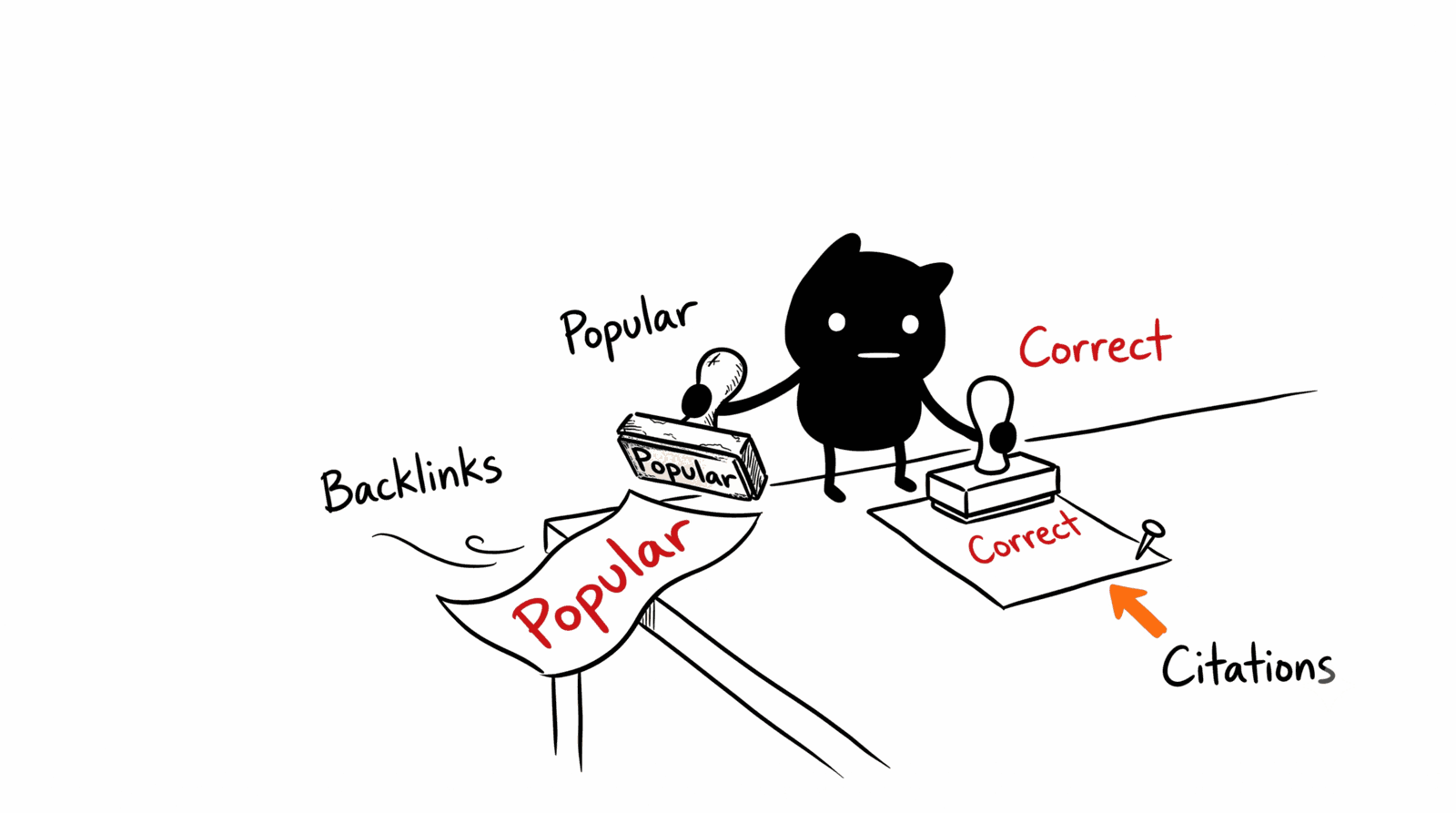
Why an LLM cites what it cites
An LLM doesn’t run a keyword match against your homepage. It builds an association between an entity (you, your company, your framework) and a topic, based on how often that association shows up, corroborated, across sources it trusts.
That’s closer to how a journalist develops a beat than how a search engine builds an index. A journalist doesn’t quote the first person who emails them. They quote the person who’s shown up saying smart, consistent things on the topic for the last eighteen months. The model is doing a version of the same pattern-match, at a scale no journalist could manage.
Which means a single strong article, however good, is structurally invisible to this system. One data point isn’t a pattern. It’s noise the model has no reason to weight.
The three-stage system that actually builds citation infrastructure
I build GTM systems for a living. Foundation, Modelling, Activation. The same three-stage logic applies to getting cited by AI, because citation infrastructure is a revenue system, not a content calendar.
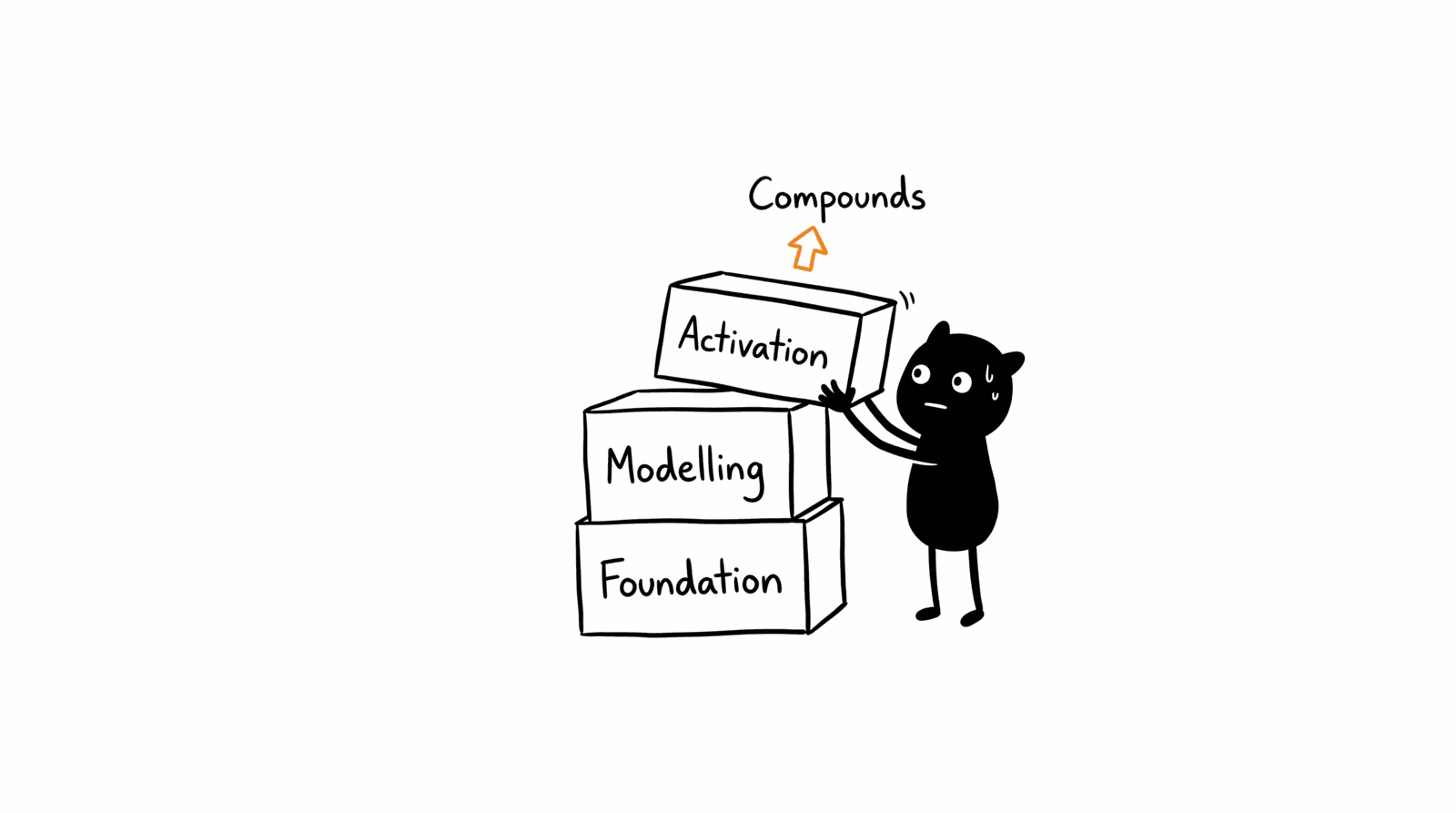
Foundation: write claims a model can lift, not paragraphs it has to interpret
Most thought leadership is written to be read. Citable content is written to be extracted.
An LLM pulls sentences that stand alone. Hedged, qualified, “it depends” prose gets paraphrased into nothing, because there’s nothing discrete in it to lift. A specific, falsifiable claim gets quoted verbatim, because it already comes pre-packaged as a citation.
Three things make a sentence extractable:
A named framework. If your point of view doesn’t have a name, it doesn’t have a shape a model can attach to your brand. Generic advice gets rewritten into the model’s own words and your name falls out of the sentence. A named framework gets repeated intact, because renaming it costs the model accuracy.
A number. “Improves efficiency” is unquotable. “Cuts pipeline coverage gaps by 40% in the first quarter” is a citable anchor, because it’s specific enough to be either right or wrong. Models prefer sources that let them be checked.
A claim that could stand alone in someone else’s article. Before you publish, ask whether a sentence could be lifted whole and dropped into a journalist’s piece, or an AI Overview, with no editing. If it needs surrounding context to make sense, it won’t survive extraction.
Modelling: build the same signal in enough places that it becomes a pattern
One placement is an anecdote. The same claim, in your language, appearing across a dozen credible third-party sources over two quarters, is a pattern. Patterns are what get recognized at the entity level, which is the only level a generative engine operates on.
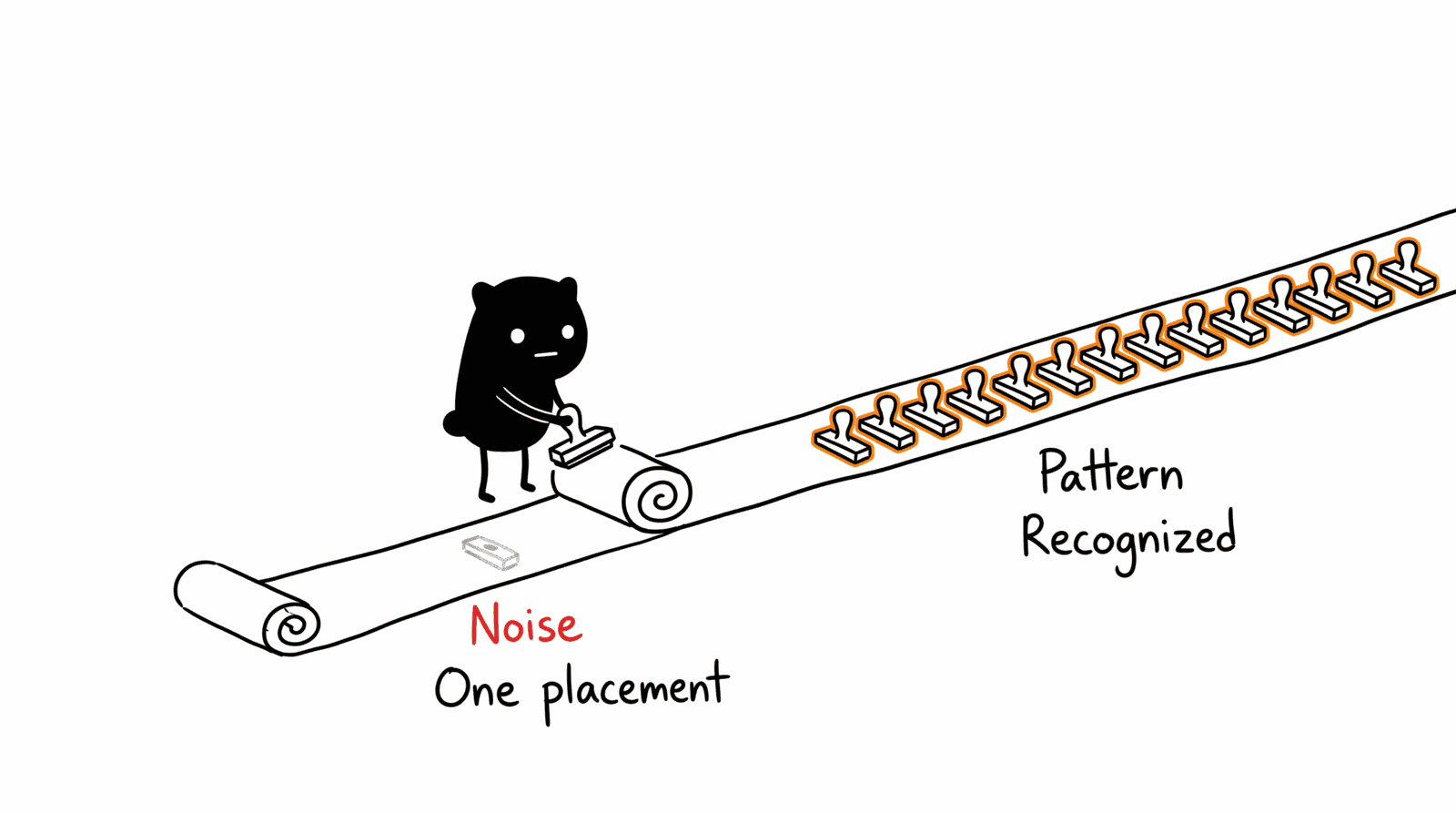
This is where most PR and content programs quietly fail the new game without realizing it. They chase reach. Coverage volume, impression counts, backlink totals. Reach was the right metric for a search-ranking world. It’s the wrong metric for a citation-inference world, because volume without repetition doesn’t build a pattern, it builds noise.
Three rules if you’re running this deliberately:
Prioritize sources the model already trusts over sources that pad a coverage report. One placement in a publication that shows up constantly in a model’s training and retrieval data is worth more than ten placements in outlets that barely register. Chasing volume in low-trust outlets is activity, not infrastructure.
Repeat the same voice, not just the same brand. A pattern needs a consistent spokesperson saying related things over time, not five different executives quoted once each with no through-line. Models associate topics with entities, and a scattered byline strategy never lets a single entity accumulate enough signal to be recognized.
Pitch the insight, not the announcement. A product launch is a legitimate news hook, but it doesn’t build topical authority, because it isn’t a claim about the world, it’s a claim about your company. A model doesn’t care that you shipped a feature. It cares whether the person behind that feature has a track record of being right about the problem it solves.
Activation: multiply the same signal across every indexed surface you control
Syndication gets sold as a reach tactic. In a citation-infrastructure system, its actual job is different: it multiplies the number of independently indexed sources making the identical claim, which is exactly the redundancy a model is built to detect and weight.
This only works if the underlying content is strong enough to survive being multiplied. Syndicating vague, generic thought leadership across fifty outlets doesn’t create fifty citations. It creates fifty copies of nothing. Syndication amplifies signal. It has never manufactured signal from scratch, and it won’t start now.
Run this quarter over quarter, across a defined set of topics, from a consistent voice, and something shifts. You stop being a brand with one good article. You become a brand a model has seen, corroborated, across a wide enough range of contexts that citing you is the statistically safe move.
The 9-point checklist, if you’re building this today
Everything above compressed into the version you can actually run against a draft before you hit publish.
-
Name your framework. Unnamed advice gets paraphrased into the model’s own words and your name disappears from the sentence. Named frameworks get repeated intact.
-
Write claims that could stand alone as a quote. Test every core sentence: could it be lifted whole into someone else’s article with zero editing? If it needs three sentences of context, it won’t survive extraction.
-
Put a number in every claim you want repeated. “Improves pipeline efficiency” is unquotable. “Cuts pipeline coverage gaps by 40% in one quarter” is a citable anchor a model can verify.
-
Stop chasing coverage volume. One placement in an outlet a model actually trusts is worth more than ten in outlets that barely register. Reach was the search-ranking metric. It’s the wrong one here.
-
Build a pattern around one voice, not five. A single quote proves nothing. The same spokesperson, on related topics, across multiple outlets, over multiple quarters, is a pattern a model can recognize at the entity level.
-
Pitch insight, not announcements. Product launches are claims about your company. Models weight claims about the world, made by someone with a track record of being right about it.
-
Syndicate deliberately, not desperately. Syndication multiplies signal that already exists. It doesn’t manufacture signal from vague content, it just creates more copies of nothing.
-
Repeat across quarters, not campaigns. One great article is an anecdote. The same claim, same voice, same framing, showing up quarter after quarter, is infrastructure that compounds instead of decaying like a press hit.
-
Treat the citation as your new form fill. The old funnel ended at a click. The new one ends at your name inside someone else’s AI-generated answer, before the buyer ever reaches your site.
The pattern underneath all nine: models don’t rank you for being popular. They cite you for being provably, repeatedly, corroboratedly right. That’s infrastructure, not a content tactic. Build it once, and it compounds.
The bottom of the funnel used to be a form fill. Now it’s a citation.
The teams that win AI visibility over the next few years won’t be the ones with the biggest content budgets. They’ll be the ones who understood earliest that earned media stopped being a coverage metric and became infrastructure. A system you build once and compound, not a campaign you run and report on.
That’s the same principle behind every revenue system I build: engines compound, campaigns don’t. Citation infrastructure is what happens when you apply that logic to how you get found by the model that’s increasingly standing between you and your buyer.
If your content strategy is still optimized for a human clicking a blue link, you’re building for a funnel that’s already one layer out of date.