The MVP Marketer: Inside B2B Ignite's Reckoning with the C-Suite
150 CEOs don't believe marketing drives growth. Six speakers at B2B Ignite 2026 explained why, and what closes the gap.
Three-quarters of CEOs don’t believe marketing drives growth. That number comes from fresh research on 150 CEOs running large B2B organisations, and Richard O’Connor, CEO of B2B Marketing, put it in front of 600 marketers at Convene Sancroft last week for B2B Ignite 2026.
O’Connor opened with the numbers. 76% of CEOs won’t justify marketing spend unless it produces leads. 76% prioritise short-term sales over long-term brand building. 75% say marketing matters but doesn’t drive growth. The C-suite has stopped believing marketing’s pitch about itself.
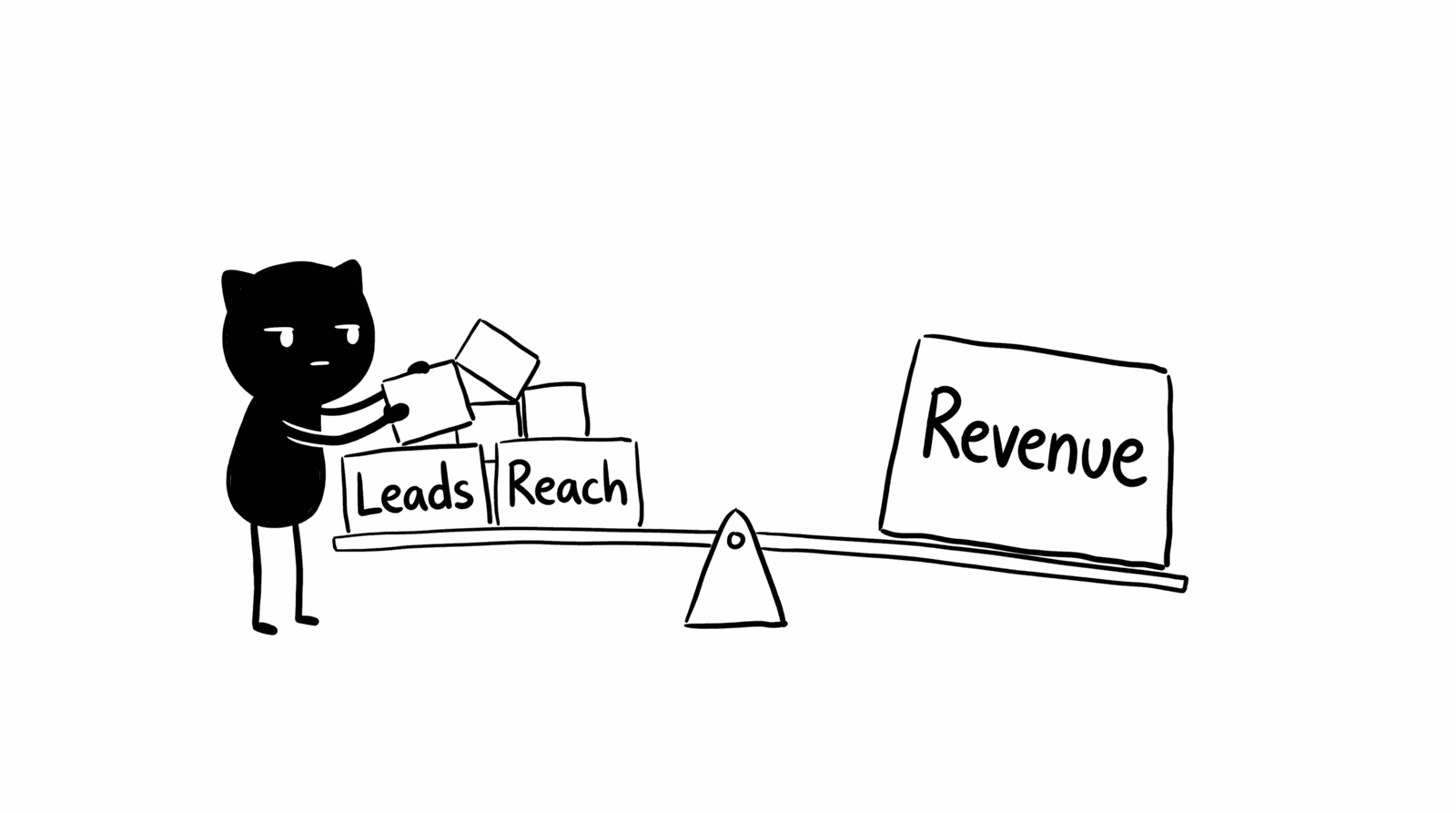
O’Connor’s response wasn’t a defence. It was a redefinition. He calls it the MVP marketer: someone who thinks like a business leader, not a marketer. They target accounts that drive growth instead of audiences that drive impressions. They build fewer, bigger moments instead of feeding the content machine. They connect brand spend to commercial outcomes instead of treating it as a separate budget line. They use AI to sharpen judgement instead of outsourcing it. Activity, leads and reach fill the stat sheet. Pipeline, revenue and customer value change the score.
The panel that backed him up
A CFO, a CCO and a CEO followed O’Connor on stage, and each one confirmed his argument without being prompted.
Ben Wylie, CFO of the IET, laid out his terms: he doesn’t know the difference between CTA, CTR and CX, and he doesn’t need to. Speak his language in commercial terms and he’ll fund the plan.
Brian Macreadie, Head of Marketing at Addleshaw Goddard, set the ambition bar: if a campaign doesn’t make you sick the night before launch, it isn’t bold enough.
Pearly Siffel, three months into a commercial transformation at Euromonitor International, named the gap most marketers still leave open. Marketing shouldn’t walk away when the deal closes.
Systems beat tactics
Fiona McKenzie of Marketbridge drew the sharpest line of the day. Stop asking how to optimise a campaign. Ask what happens next.
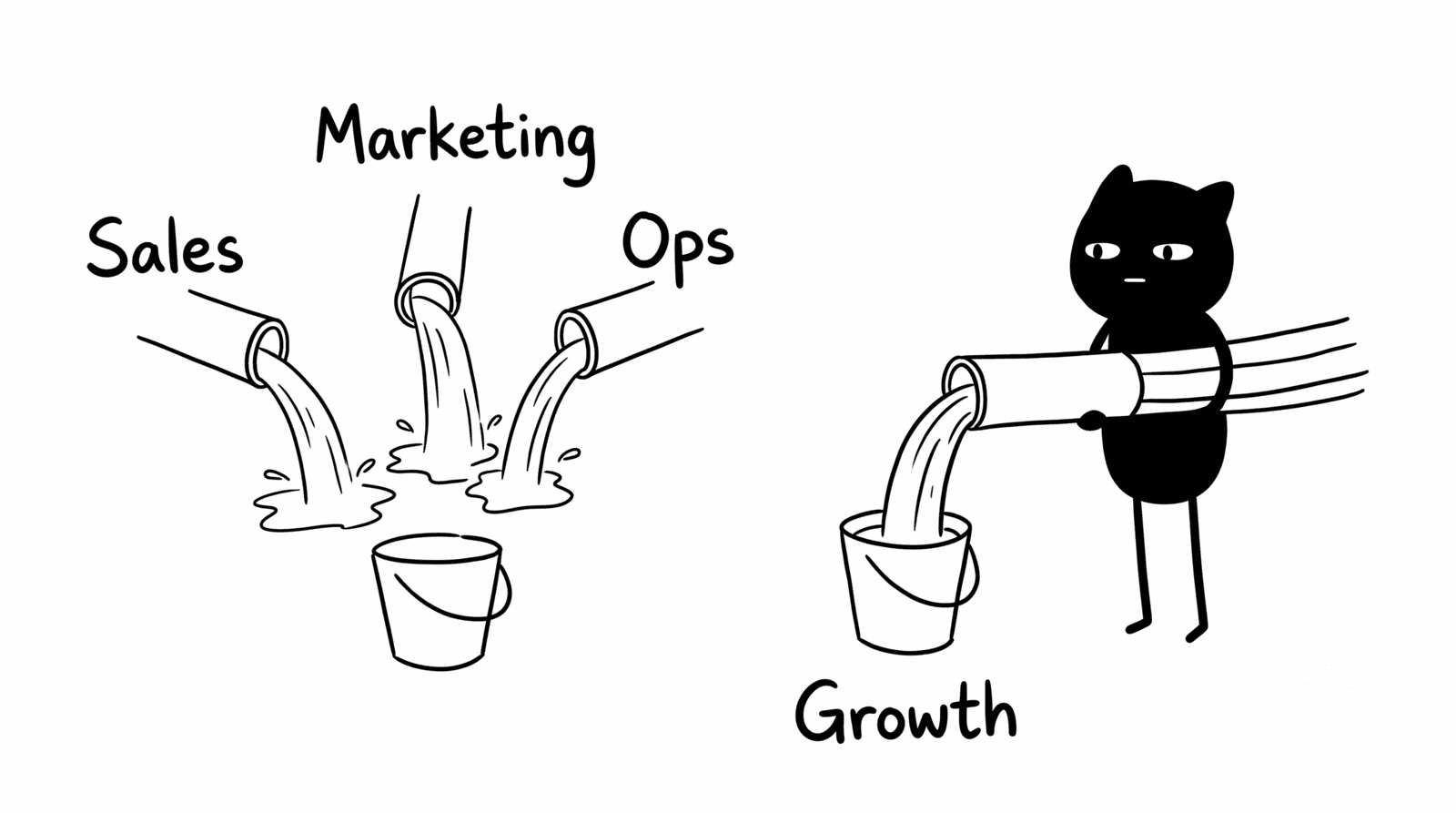
She named two archetypes. The traditional marketer runs campaigns and channels, measures marketing KPIs, works inside the marketing function, optimises in silos, and chases leads and engagement. The unified systems marketer aligns strategy across sales, marketing and ops, measures business outcomes, integrates data and technology, and chases revenue and growth. Growth doesn’t happen because every channel gets louder. It happens because the whole system moves together.
GEO already changed shape
Nick Lafferty, Founding Marketing Engineer at Profound, brought numbers that make GEO impossible to defer. AI search converts at 14.2%, against 2.8% for Google. Half of what AI cites is under 13 weeks old.
Then he pulled up ChatGPT’s Ads Manager dashboard, live, unscripted. No keyword targeting. Advertisers fill in a context-hints field describing the conversations where their product belongs, and the model handles the matching. Paid search changed shape in front of 600 people who hadn’t seen it before.
His takeaway: your content calendar and your GEO strategy are the same document now. Anyone running them as separate workstreams is already behind.
Entertain, don’t persuade
Joel Harrison, Founder and Ambassador at B2B Marketing, answered the question every brand is asking quietly: how do you cut through a feed full of AI slop?
He traced three stages. Rational persuasion, listing reasons you’re the best, got debunked a decade ago. Emotional appeal is now standard practice, not an edge. Entertainment is the frontier: content people choose to watch on their own time, instead of content pushed at them.
The data backs him up. 23% of over 1,000 B2B campaigns studied now use consumer-grade entertainment formats. Those campaigns are 2.5 times more likely to deliver record-breaking results, with a median pipeline of £26m against £6.8m for the rest, on only 20% more budget. Some cost under £25k to produce. Boring is the expensive choice.
One deck doesn’t fit every seat in the room
Nick Mason, Co-Founder and CEO of Turtl, gave the session that stuck longest. He opened with a photo from 1927: 29 physicists at the Solvay Conference in Brussels. 17 went on to win Nobel Prizes. They never agreed on quantum mechanics, and some never did for the rest of their careers. They still reached consensus in that room, because the evidence spoke to each person’s own model of reality instead of the loudest voice in it.
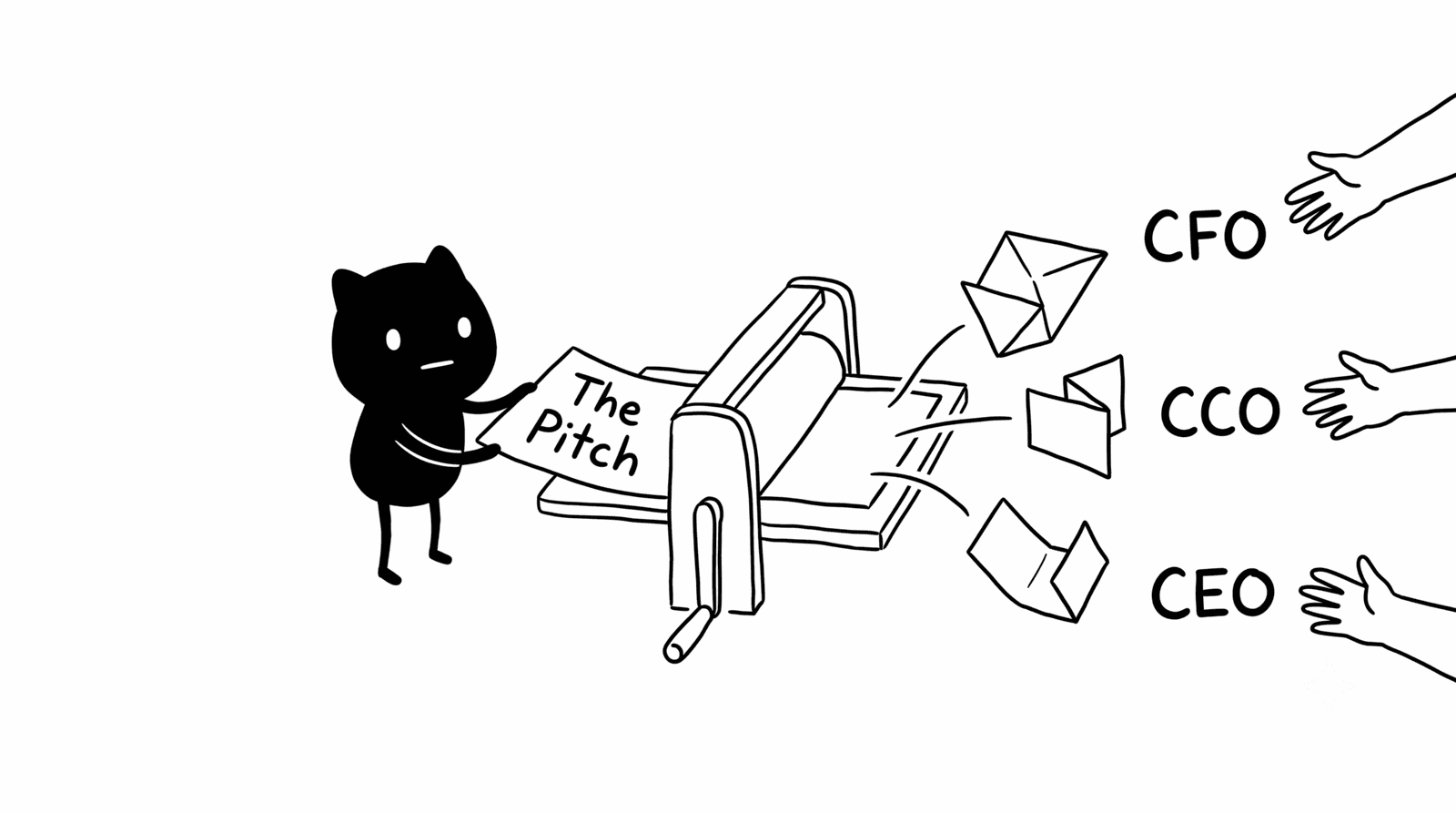
Mason’s argument: 60% of B2B buying groups never reach a decision, not for lack of a problem to solve but because the group never aligns. The fix isn’t a sharper pitch aimed at the whole room. It’s helping each stakeholder understand the problem in their own terms and back the same path forward. Your buying committee works the way the Solvay Conference did.
What ties it together
O’Connor calls it the MVP marketer. McKenzie calls it the unified systems marketer. Lafferty calls it merging content and GEO into one discipline. Harrison calls it entertainment over persuasion. Mason calls it building consensus in a room that will never fully agree. Strip away the labels and every session points at the same gap: the distance between what CEOs believe marketing does and what marketing actually delivers.
Closing that gap doesn’t take more campaigns. It takes marketers who think in systems, speak the language of the P&L, and put their weight behind the few things that move the score. The CEOs in O’Connor’s research aren’t wrong about marketing’s current output. The question B2B Ignite raised is whether the industry will let itself be judged, and funded, on revenue instead of reach.