Revenue Engineering vs RevOps vs GTM engineering
RevOps runs the engine. Revenue Engineering designs and upgrades it. The marketing-led version also drives the car. Where each discipline starts and ends, and why the strongest version of the role owns the demand number too.
Matt McDonagh’s Revenue Engineering runs on a pit-crew metaphor: RevOps is the pit crew, checking tyre pressure and running clean stops. Revenue Engineering is the team back at headquarters, reading telemetry and redesigning the aerodynamics. “RevOps is essential for keeping the lights on, but sustainable growth demands more than maintenance.”
That split is correct, and it matches how I’ve drawn the line for years between GTM engineering and marketing ops: ops maintains the system in place; engineering builds one that didn’t exist. Same distinction, different vocabulary, same conclusion. RevOps runs the engine. Revenue Engineering designs it.
The gap in that metaphor
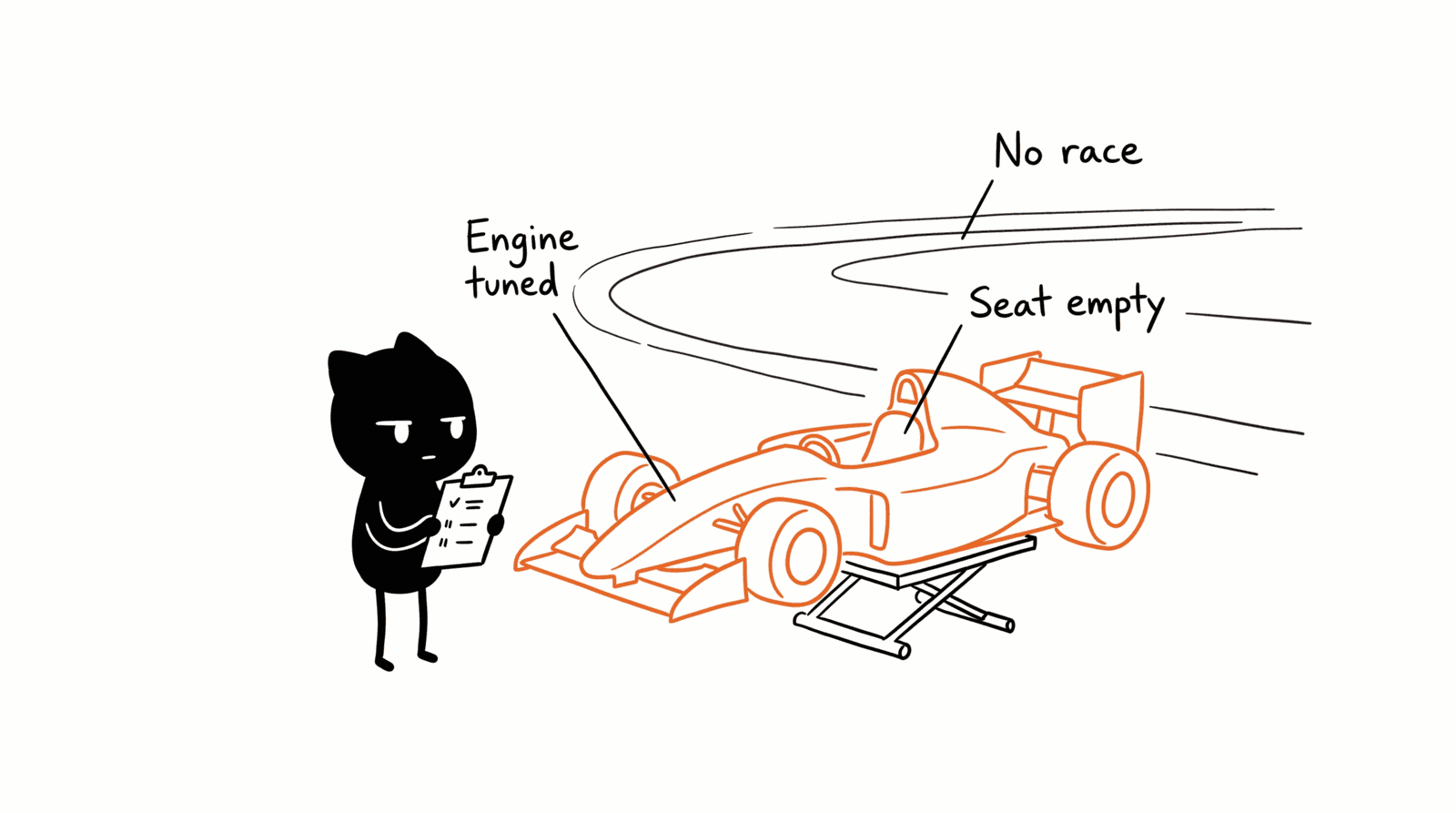
Read the full argument and one thing is missing: nobody drives the car. The design team analyses telemetry, tunes the model, ships upgrades. Data integrity, process efficiency, tech alignment, forecasting. All of it is engine work. None of it is the race.
A revenue engine that nobody drives is a very clean CRM. Enrichment without campaigns to feed. Scoring without programmes that act on the score. Signal triggers pointed at nothing. The engineering half of the metaphor is complete; the racing half doesn’t exist in it.
The marketing-led version
I build the engine and I run the programmes on top of it. Same seat, both halves.

The engine side: enrichment pipelines, real-time ICP scoring, signal-based routing. At Quantexa that meant taking inbound routing accuracy from 55% to 88%, cutting SDR research time 80%, and moving 40 hours a week of manual ops into automation running in n8n and Clay.
The racing side, on that engine: 1:Few ABM across 120+ accounts that influenced $6.7M in pipeline at 1,917% ROI, Gold at B2B Ignite and Fintech Global 2023. Contact-level ABM on Influ2 at 5.2x the pipeline of cold outreach. A 1:1 programme that cut deal-close time 66%.
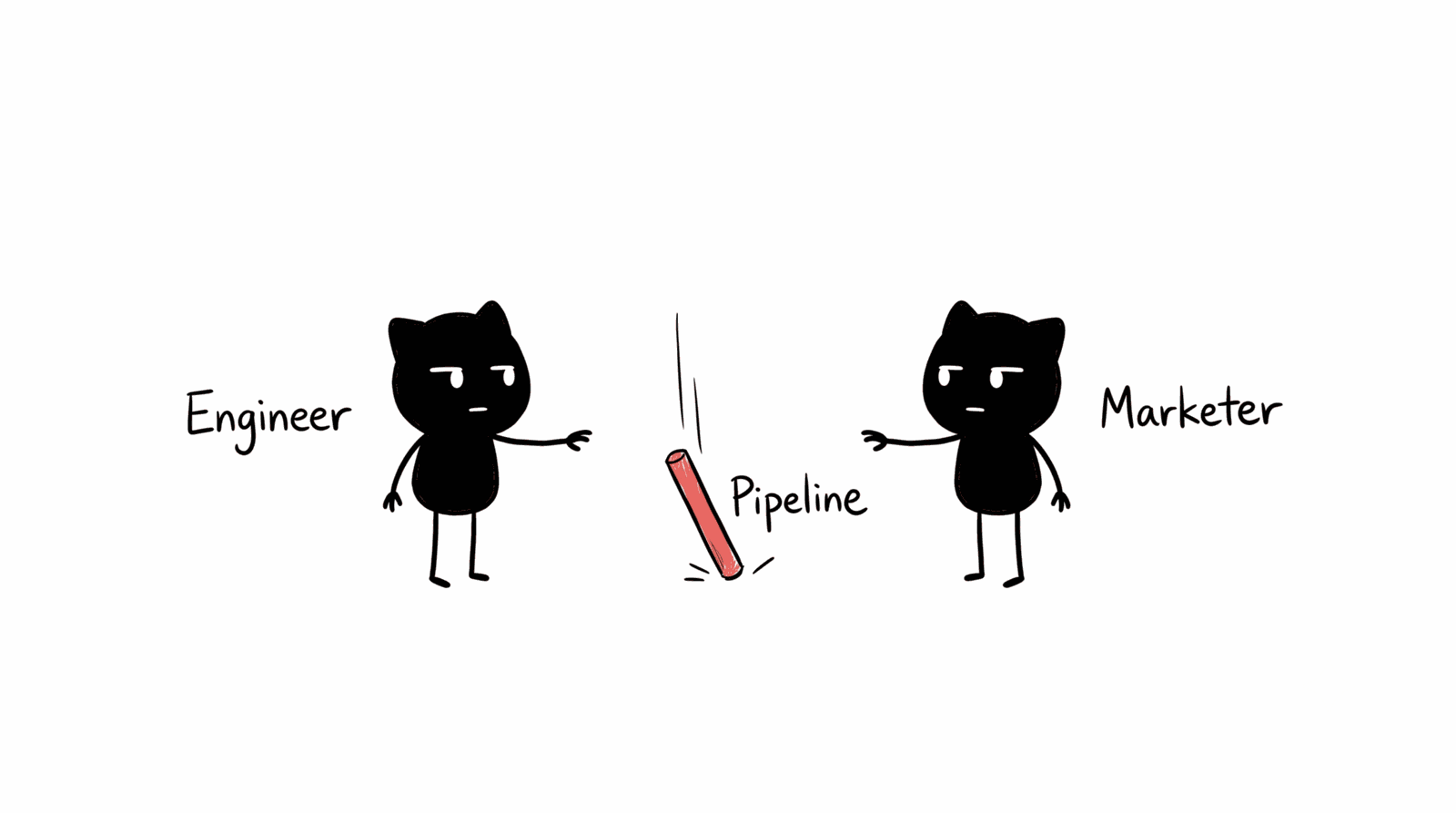
Neither number happens without the other. The infrastructure sets the ceiling on how good the programmes can be. The programmes are the only evidence the infrastructure was worth building. Most organisations split this into two hires who never sit in the same meeting: an engineer who doesn’t own a demand number, and a marketer who doesn’t understand the system underneath their campaigns. Split that way, each side optimises for its own half and the handoff between them is where pipeline goes to die.
Where GTM engineering and demand generation sit
Revenue Engineering isn’t a third discipline stacked on top of the other two. It’s what happens when GTM engineering (the data and automation layer: enrichment, signals, scoring, AI outbound) and demand generation (the programmes that run on it: ABM, campaign execution, measurement) live in the same person instead of two. Each amplifies the other. The Pipeline That Compounds framework is the fuller write-up of what that produces over time: infrastructure that keeps paying out, instead of campaigns that reset to zero every quarter.
Making the case
If you’re building the budget case for a hire like this, frame it as a pipeline investment with a 90-day proof point, not an automation line item. The CRO conversation works the same way whether the discipline is called Revenue Engineering, GTM engineering, or revenue marketing: the label matters less than whether the person can point at a number they moved.
The interview question that sorts the field: walk me through a demand programme you ran on infrastructure you built yourself. Most candidates can describe one half. The hire worth making can describe both, in the same story.